Buckbinder - Introduction to Oil and Acrylic Painting
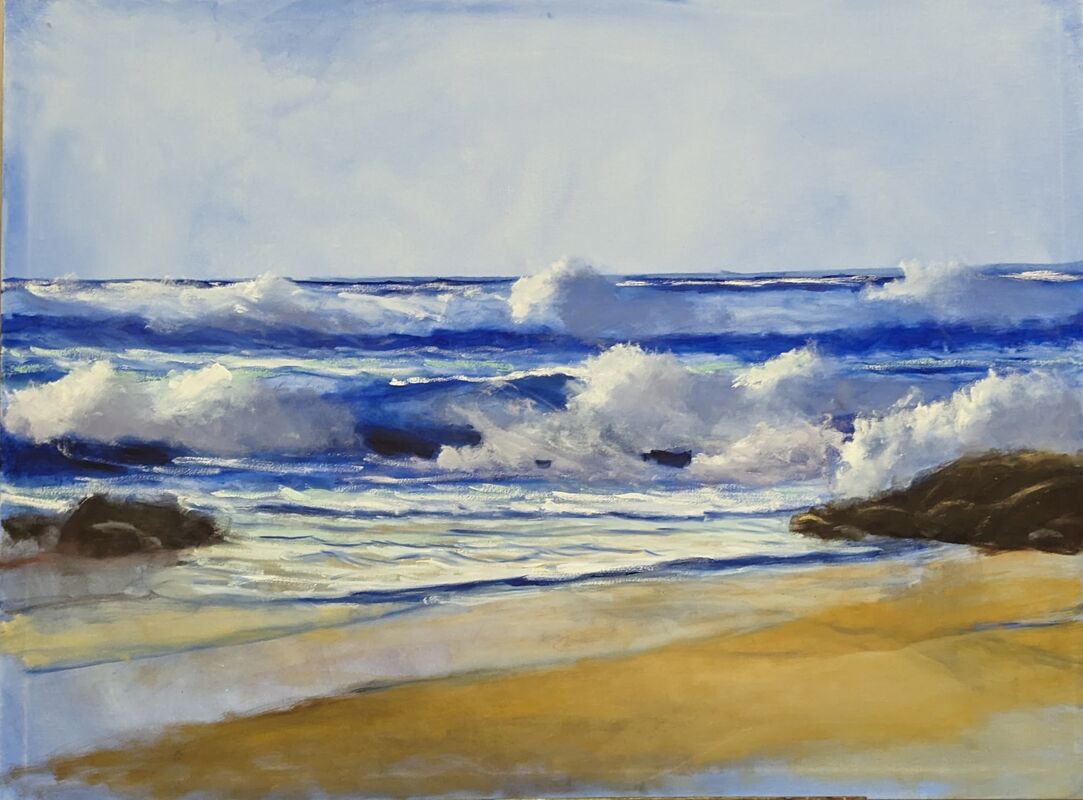
Classes are nonrefundable.
Classes are nonrefundable.
Before diving into painting, it is important to understand the basic concepts and materials involved in oil and acrylic painting.
Oil Painting
Oil painting is a traditional medium that has been used by artists for centuries. It involves the use of pigments suspended in oil, typically linseed oil, which provides a rich, vibrant color and a smooth, buttery texture. The slow drying time of oil paints allows artists to work and rework their paintings over an extended period, making it ideal for creating detailed and nuanced works of art over time.
Acrylic Painting
Acrylic painting, on the other hand, is a relatively modern medium that uses pigments suspended in a synthetic polymer emulsion. Acrylic paints are water-soluble when wet but become water-resistant when dry. They dry faster than oil paints, which can be an advantage for artists who prefer to work quickly. Acrylics are versatile and can be used to achieve a wide range of effects, from watercolor-like washes to heavy textures.
Materials and Tools
• Paints: A selection of oil or acrylic paints in primary colors, cadmium red, cadmium yellow, ultramarine blue, as well as black and white. Gamblin, Golden or Winsor and Newton are good manufacturers. Please only buy professional-grade paints. It is far more effective.
• Brushes: A variety of brushes can be purchased in a packet at any local art supply store. Fyi, if you have any brushes at home, please bring them.
• Palette: Disposable paper palettes work well for oil/ acrylics. Please bring three 12 x 16 canvas panels.
• Mediums: For oil painting, bring odorless mineral spirits to clean your brushes. For acrylics, water is fine.
• Paper Towels: Essential for cleaning brushes. Small mixing cups: These can be purchased at the art store.
Practice and Patience
Like any skill, painting requires practice and patience. For optimum success, it is highly recommended that you attend all 4 classes before enrolling in regular oil or acrylic classes. Don't be discouraged if your first attempts don't turn out as expected. And most importantly: Have Fun!!!!!!
Instructors
David Buckbinder
Contact us
- Sun West Art Club
- sw••••n@gma••••l.com
Location
Classifications
Categories
- Acrylic
- Oil
Age Groups
- Adult
Levels
- Beginner