
Pelvic Organ Prolapse and Ring Pessary Management (AM Session)
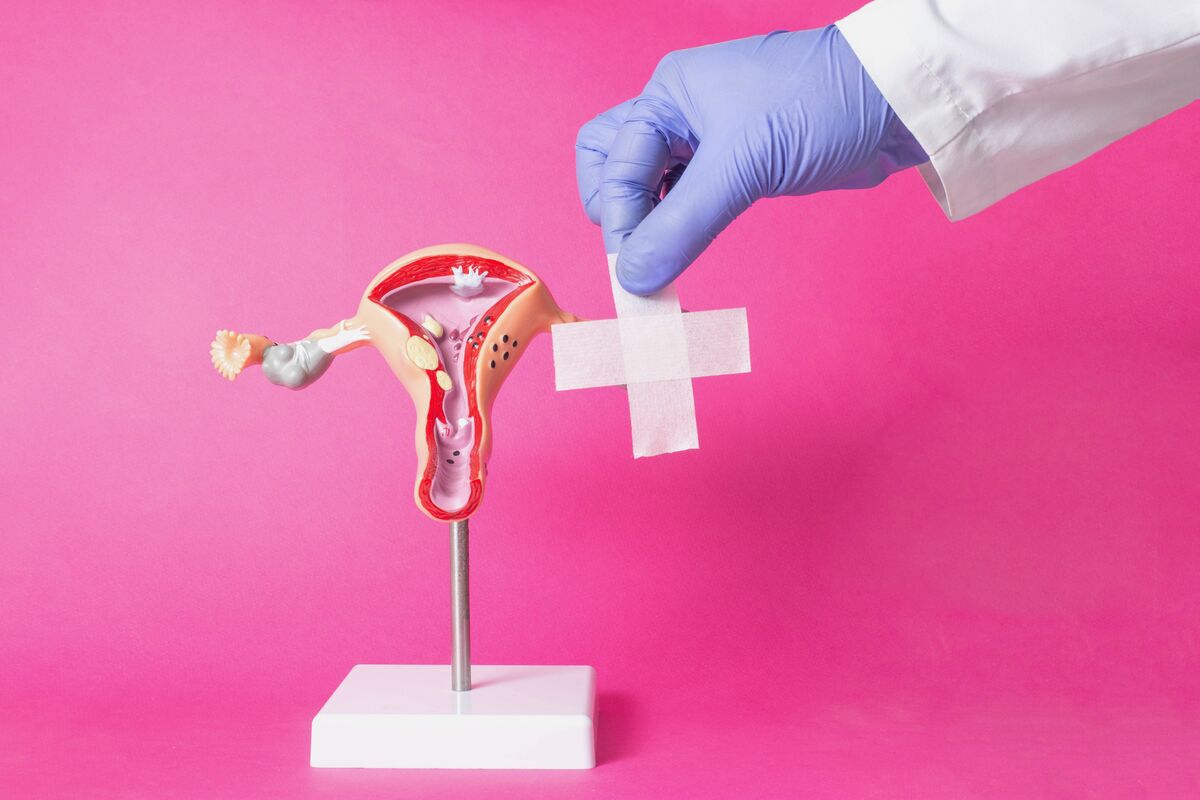
Course Overview
This CPD accredited half-day practical training session is designed for registered healthcare professionals working in Primary Care who wish to develop the knowledge and practical skills required to safely support ring pessary care as part of the conservative management of pelvic organ prolapse.
The course provides a structured, evidence-based overview of uterovaginal prolapse and the role of ring pessaries in symptom management. Participants will develop practical skills in ring pessary sizing, insertion, removal, and replacement using pelvic models in a supported learning environment. Particular emphasis is placed on clinical safety, patient-centred care, and working within professional scope of practice.
This course focuses specifically on pessary management and care. It does not provide training in full gynaecological examination, prolapse diagnosis, or independent prolapse assessment.
Delivered by experienced clinicians working in Primary Care and Women’s Health services, the training supports healthcare professionals to safely contribute to pessary care within their clinical role and local governance frameworks.
Who Should Attend
This course is suitable for registered healthcare professionals involved in, or planning to be involved in, pessary care in Primary Care, including:
Practice Nurses
Nurse Practitioners and Advanced Clinical Practitioners
General Practitioners
Physiotherapists
Pharmacists
Paramedics
Other registered healthcare professionals supporting women’s health services
Participants should be working in a clinical role where pessary care forms part of their service provision or development.
What This Course Covers
The course provides a structured overview of:
Overview of pelvic organ prolapse and common symptoms
Conservative management options in Primary Care
The role of ring pessaries in prolapse management
Patient selection, counselling, and consent
Ring pessary sizing and selection
Safe insertion, removal, and replacement techniques using pelvic models
Recognising complications and when to seek senior clinical review
Follow-up, monitoring, and ongoing pessary care
Professional accountability and working within scope of practice
Learning Outcomes
By the end of this course, participants will be able to:
Explain the role of ring pessaries in the conservative management of pelvic organ prolapse
Provide patient-centred counselling regarding pessary use and follow-up
Demonstrate safe ring pessary insertion, removal, and replacement using pelvic models
Recognise potential complications and when escalation or referral is required
Understand professional responsibilities and scope of practice in pessary care
Support safe and effective pessary management within Primary Care
Course Format
Half-day course (approximately 3 hours teaching time)
Face-to-face practical training session
Hands-on skills practice using pelvic models
Small group teaching to support practical learning
Opportunity for discussion and questions
Certification
Certificate of attendance provided for CPD and revalidation purposes.
Completion of this course supports skill development but does not replace supervised clinical practice or local competency assessment where required.
Trainers
Beverly White
Contact us
- Jackie Gamble
- in••••o@bbo••••g.co.uk
- 07944639224
Location
Classifications
Categories
- Women's Health
Levels
- Introduction
- Update