Art and Power in the Tudor Period (In-Person, Online and Replay)
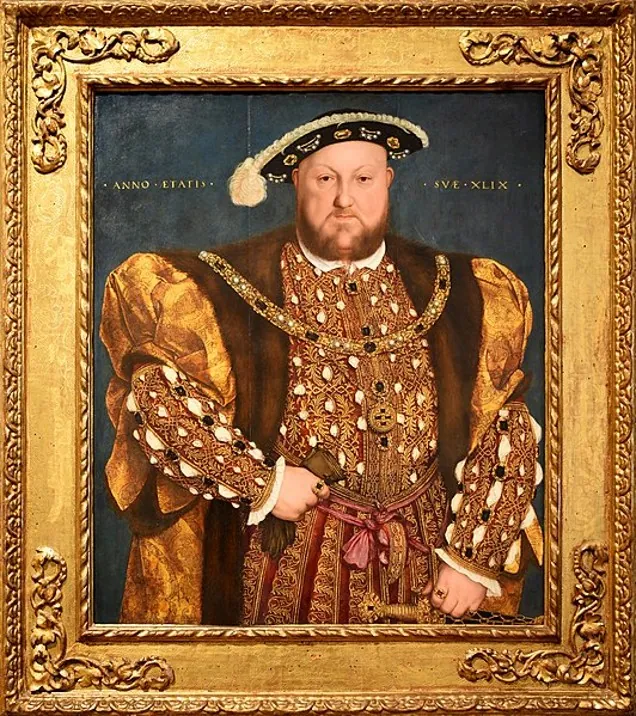
Image: Hans Holbein the Younger (German, c. 1497-1543), Portrait of King Henry VIII c.1540, oil on panel, 82.6 x 75cm, Galleria Nazionale d'Arte Antica, Rome.
Description: This course explores how visual and material culture shaped, expressed, and contested political power in England from the accession of Henry VII in 1485 to the death of Elizabeth I in 1603. Through close study of portraits, palace architecture, tapestries, printed propaganda, religious objects, and courtly performance, students will examine the mechanisms by which the Tudor monarchy and its courtiers constructed authority, negotiated identity, and managed public perception. Central to the course is the role of artists such as Hans Holbein, Nicholas Hilliard, and Anthonis Mor, whose works helped define new visual languages of rulership, diplomacy, and religious change. By situating artworks within the broader contexts of dynastic politics, the English Reformation, shifting gender dynamics, and evolving court culture, the course highlights how art functioned as a strategic tool for persuasion and power.
You can attend in-person, live online or catch up with the recordings which will remain available for two months after the end of the course.
No class on March 18th
Teachers
Jessica Fahy
Contact us
- Jessica Fahy
- je••••y@gma••••l.com
Location
Classifications
Categories
- Course
Age Groups
- Adult
Levels
- All