
Shibori Mastery: Cloth, Process & Indigo Retreat
Shibori: Cloth, Lineage & Indigo Discipline
A 5-Part Signature Mastery Series in Japanese Resist Dyeing
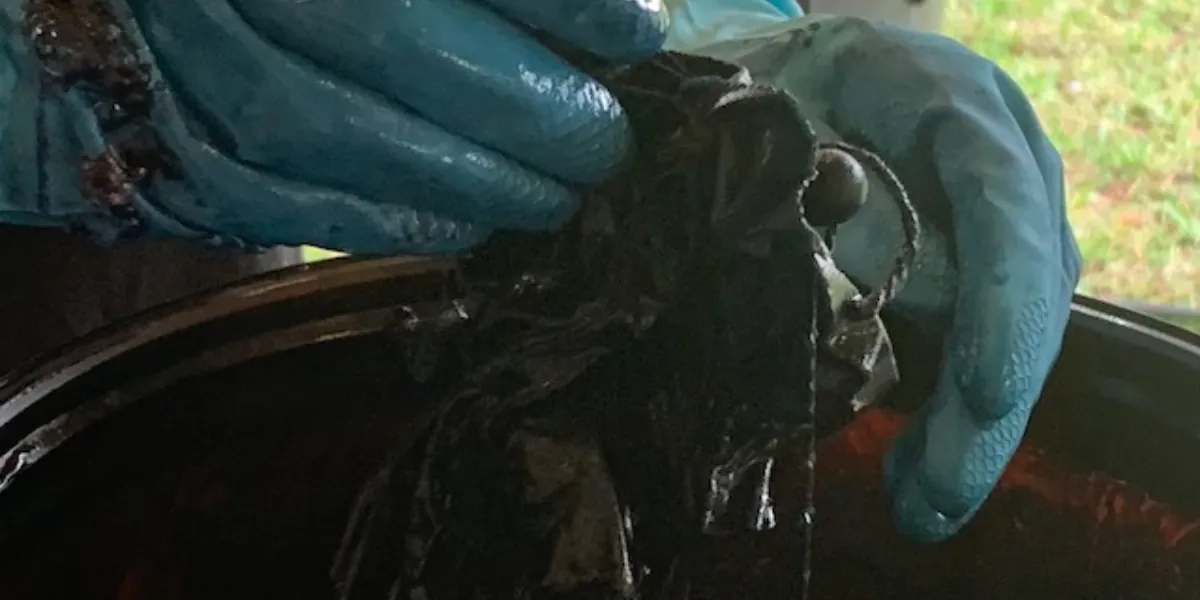
Working with a traditional sukumo indigo vat—offering a rare opportunity to experience fermented Japanese indigo in a hands-on studio setting.
Step into a deeper study of shibori—where cloth becomes a record of touch, tension, and time.
This 5-part signature series is designed as a progressive exploration of Japanese resist dyeing, grounded in tradition and guided through hands-on practice. Working with natural indigo and a range of binding, folding, and stitched resist techniques, students move from foundational skills into increasingly refined and complex applications.
Each session builds upon the last, creating a rare opportunity to develop both technical precision and a more personal visual language in cloth.
Program Structure
This is a sequential series. While each session has a distinct focus, the greatest benefit comes from participating in the full progression.
Early Registration (April 15–24, 2026)
Full Series Enrollment Only
Early access is reserved for students committing to the complete 5-part series. This ensures a cohesive group and supports the cumulative nature of the curriculum.
Full Series Tuition: $1,600
General Registration (Opens April 25, 2026)
At this time, individual retreat sessions are not being offered separately.
This structure is intentional and directly tied to the care and management of the indigo vats. The retreat utilizes a natural sukumo indigo vat, a traditional Japanese fermentation vat made from composted indigo leaves. Unlike pre-reduced vats used in shorter introductory workshops, a sukumo vat is a living vat that requires consistency, monitoring, and continued use over multiple consecutive days.
The progression of the first three modules allows participants to:
• Build familiarity with vat etiquette and dye discipline
• Develop an understanding of how the vat changes over time and use
• Work through increasingly complex resist methods while the vats remain active and balanced
• Experience the cumulative nature of layered dyeing and repeated immersion
Allowing participants to enter and exit individual modules independently would disrupt both the continuity of instruction and the rhythm required to properly maintain the vats throughout the retreat period.
The retreat is designed as an immersive study rather than a series of disconnected workshops. Each module builds upon the previous one, both technically and through the evolving relationship with the indigo itself.
Schedule & Session Details
Part I — Foundations: Cloth, Indigo & Control
Jan 18–19, 2027 · 9:00 AM – 4:00 PM
Establishing core techniques, cloth preparation, and foundational resist methods with a focus on control and consistency in the indigo vat.
Part II — Precision & Repetition: Pattern Language
Jan 20–21, 2027 · 9:00 AM – 4:00 PM
Exploring repeatable pattern systems through folding, binding, and resist structures that build visual rhythm and clarity.
Part III — Stitch Resist Intensive: Kumo & Nui Shibori
Jan 22–23, 2027 · 9:00 AM – 4:00 PM
Focused immersion in stitched resist techniques, emphasizing tension, spacing, and the sculptural qualities of cloth.
Part IV — Layering, Overdyeing & Complexity
Jan 25–26, 2027 · 9:00 AM – 4:00 PM
Building depth through sequential processes—multiple dips, layered resists, and thoughtful composition.
Part V — Mastery: Personal Language & Large Cloth
Jan 27–28, 2027 · 9:00 AM – 4:00 PM
Bringing techniques together in larger-format work, supporting the development of individual voice and cohesive design.
What You’ll Learn
- Natural indigo vat fundamentals and maintenance
- Folded, bound, and stitched resist techniques
- Pattern development and repeat systems
- Layering, overdyeing, and complex compositions
- Working with larger cloth formats
- Developing a personal approach to shibori
Who This Is For
Dedicated beginners through experienced textile artists seeking a deeper, structured study in shibori and indigo.
Studio Experience
- Small group (8–10 students maximum)
- Fully equipped professional dye studio
- Individual workspace with access to specialized tools
- Hands-on instruction with ongoing guidance
Payment & Policies
- Deposit required to reserve your place
- Balance due 60 days prior to January 18, 2027
- Due to the sequential nature of this series, early enrollment is considered a commitment to the full program
- Please review full studio policies prior to registration
What Makes This Series Different
This is a heritage-based approach to shibori, emphasizing:
- Process over speed
- Observation over repetition
- Technique as a pathway to expression
Working in a small, focused studio environment, you’ll have the time, space, and support to truly understand what happens between thread, cloth, and dye.
A Note on Materials
Instructors
Suzanne Connors
Contact us
- Denise S Connors
- in••••o@aiz••••c.com
- 3366934606
Location
Classifications
Categories
- Workshops
- Retreats
Levels
- ALL Levels